10 Healthy Eating Habits

Revamp Your Eating Habits for a Healthier Lifestyle
Incorporating healthy eating habits into your daily routine can greatly enhance your well-being. Whether your goal is weight loss, increased energy, or simply a healthier lifestyle, understanding and adopting nutritious eating practices is key.
This article explores the top 10 healthy eating habits, offering practical tips to help you revamp your diet and reap the benefits of a balanced, nutrient-rich eating plan.
1. Prioritize Whole Foods
Whole foods like fruits, vegetables, whole grains, nuts, seeds, and lean proteins are rich in essential nutrients. By choosing these over processed foods, you ensure your body gets the vitamins, minerals, and antioxidants it needs to thrive.
**Actionable Tips:**
- Add a variety of colorful fruits and vegetables to your meals.
- Opt for whole grains such as brown rice and quinoa.
- Include lean proteins like chicken, fish, beans, and legumes in your diet.
2. Stay Hydrated
Proper hydration is crucial for digestion, nutrient absorption, and regulating body temperature. Drinking enough water also helps curb hunger and prevents overeating.
**Actionable Tips:**
- Aim for at least 8 glasses of water daily.
- Carry a reusable water bottle to stay hydrated on the go.
- Enjoy hydrating foods like cucumbers, watermelon, and oranges.
3. Eat Mindfully
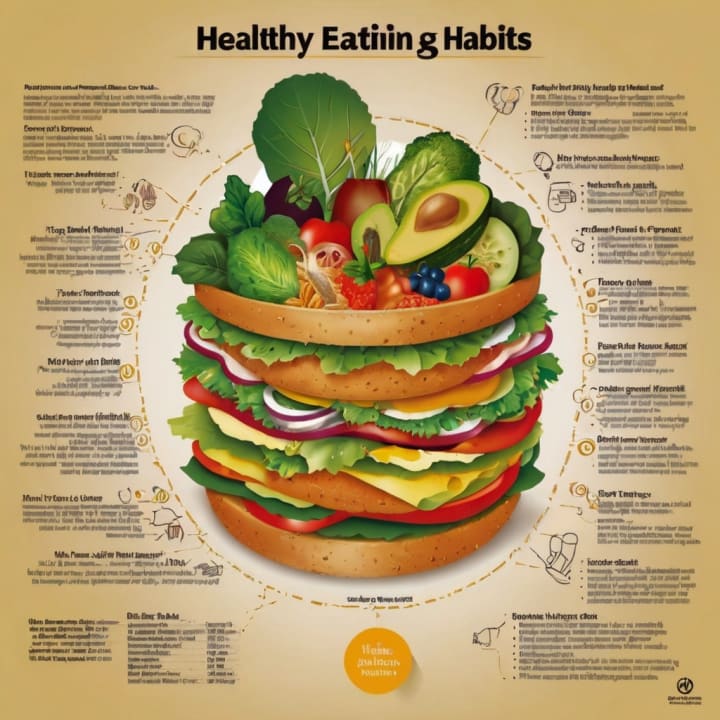
Mindful eating involves fully engaging in the eating experience, savoring each bite, and listening to your body's hunger signals. This practice promotes better digestion and prevents overindulgence.
**Actionable Tips:**
- Avoid distractions like TV or phones while eating.
- Chew your food slowly and savor its flavors.
- Pay attention to how your body feels when deciding when to stop eating.
4. Plan Balanced Meals
Balanced meals include a mix of protein, healthy fats, and complex carbohydrates. This combination fuels your body, stabilizes energy levels, and supports overall health.
**Actionable Tips:**
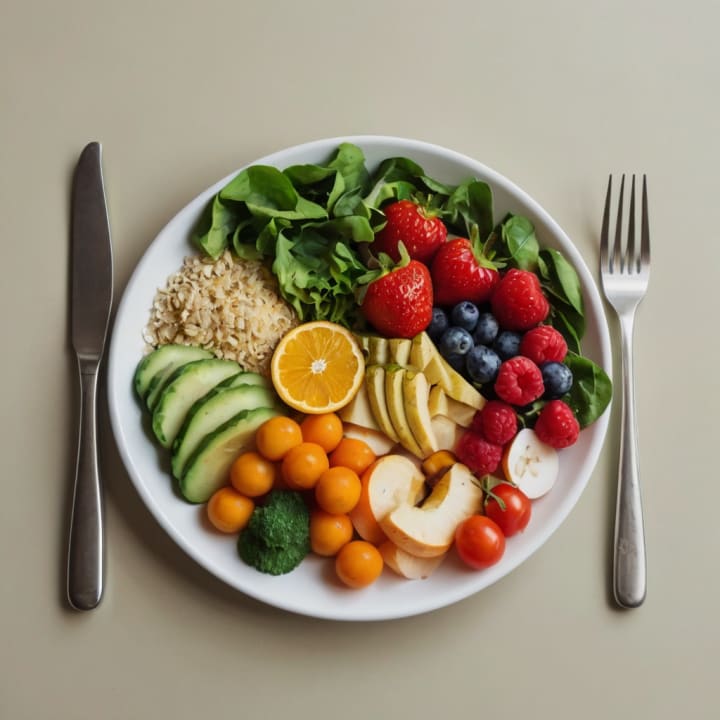
- Use the plate method: fill half your plate with vegetables, a quarter with lean protein, and a quarter with whole grains.
- Incorporate healthy fats like avocados and olive oil.
- Prepare weekly meal plans and grocery lists to stay organized.
5. Control Portion Sizes
Managing portion sizes helps prevent overeating and supports weight management. Using smaller plates and being mindful of serving sizes can help you achieve this.
**Actionable Tips:**
- Use smaller plates and bowls to control portions.
- Read food labels to understand recommended serving sizes.
- Avoid eating straight from packages; portion out servings beforehand.
6. Limit Added Sugars
Reducing your intake of added sugars is crucial for overall health, as excessive consumption is linked to various health issues. Opt for natural sweeteners in moderation and be mindful of hidden sugars in processed foods.
**Actionable Tips:**
- Choose water or unsweetened beverages over sugary drinks.
- Use natural sweeteners like honey or maple syrup sparingly.
- Check food labels for hidden sugars and choose lower-sugar options.
7. Incorporate Healthy Snacks
Healthy snacks can provide essential nutrients and sustain energy levels between meals. Opt for snacks that combine protein, fiber, and healthy fats for a satisfying and nutritious boost.
**Actionable Tips:**
- Snack on Greek yogurt with berries, hummus with veggies, or a handful of nuts.
- Prepare snacks in advance to avoid reaching for unhealthy options.
- Keep nutritious snacks readily available at home and work.
8. Practice Moderation, Not Deprivation
Healthy eating is about balance, not restriction. Enjoy your favorite treats in moderation while prioritizing nutrient-dense foods to maintain a sustainable and enjoyable diet.
**Actionable Tips:**
- Indulge in occasional treats in small portions.
- Focus on the quality of food rather than strict rules.
- Balance indulgent foods with healthier choices throughout the day.
9. Cook at Home More Often
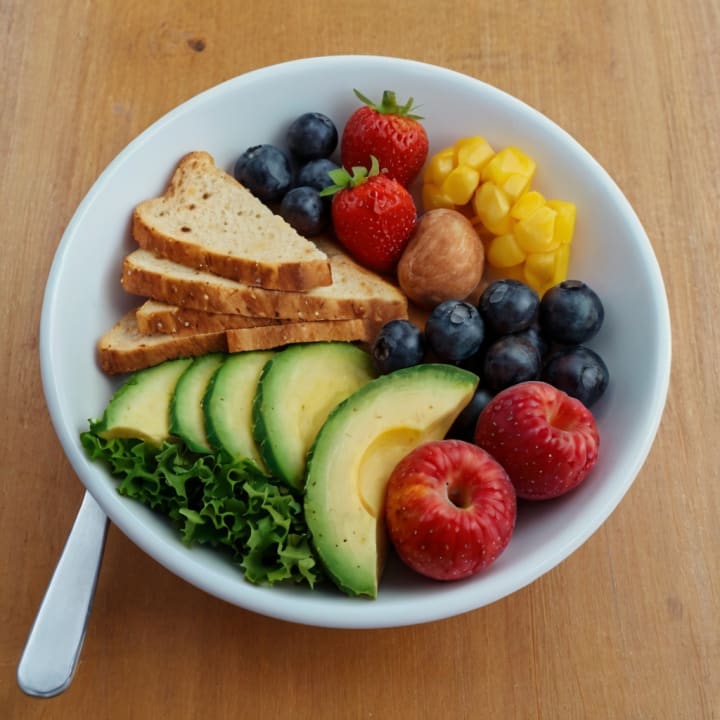
Cooking meals at home gives you control over ingredients and allows you to experiment with flavors. It's also a great way to bond with family and ensure healthier eating habits.
**Actionable Tips:**
- Plan meals ahead to save time and reduce stress.
- Use fresh, whole ingredients whenever possible.
- Involve family members in meal preparation for a shared experience.
10. Listen to Your Body
Understanding your body's hunger and fullness cues helps you develop a healthier relationship with food. Eat when you're hungry and stop when you're satisfied to support mindful eating habits.
**Actionable Tips:**
- Pay attention to how your body feels before and after eating.
- Distinguish between physical hunger and emotional cravings.
- Respect your body's needs and enjoy a variety of foods in moderation.
Conclusion: Embrace Healthy Eating Habits for a Better Life
Incorporating these 10 healthy eating habits into your routine can significantly improve your overall health and well-being.
By prioritizing whole foods, staying hydrated, eating mindfully, planning balanced meals, controlling portion sizes, limiting added sugars, incorporating healthy snacks, practicing moderation, cooking at home, and listening to your body, you can create a sustainable and enjoyable approach to healthy eating.


Comments
Post a Comment